 Login
 MSTA Regions
 Search
 Contact Us
 800-392-0532



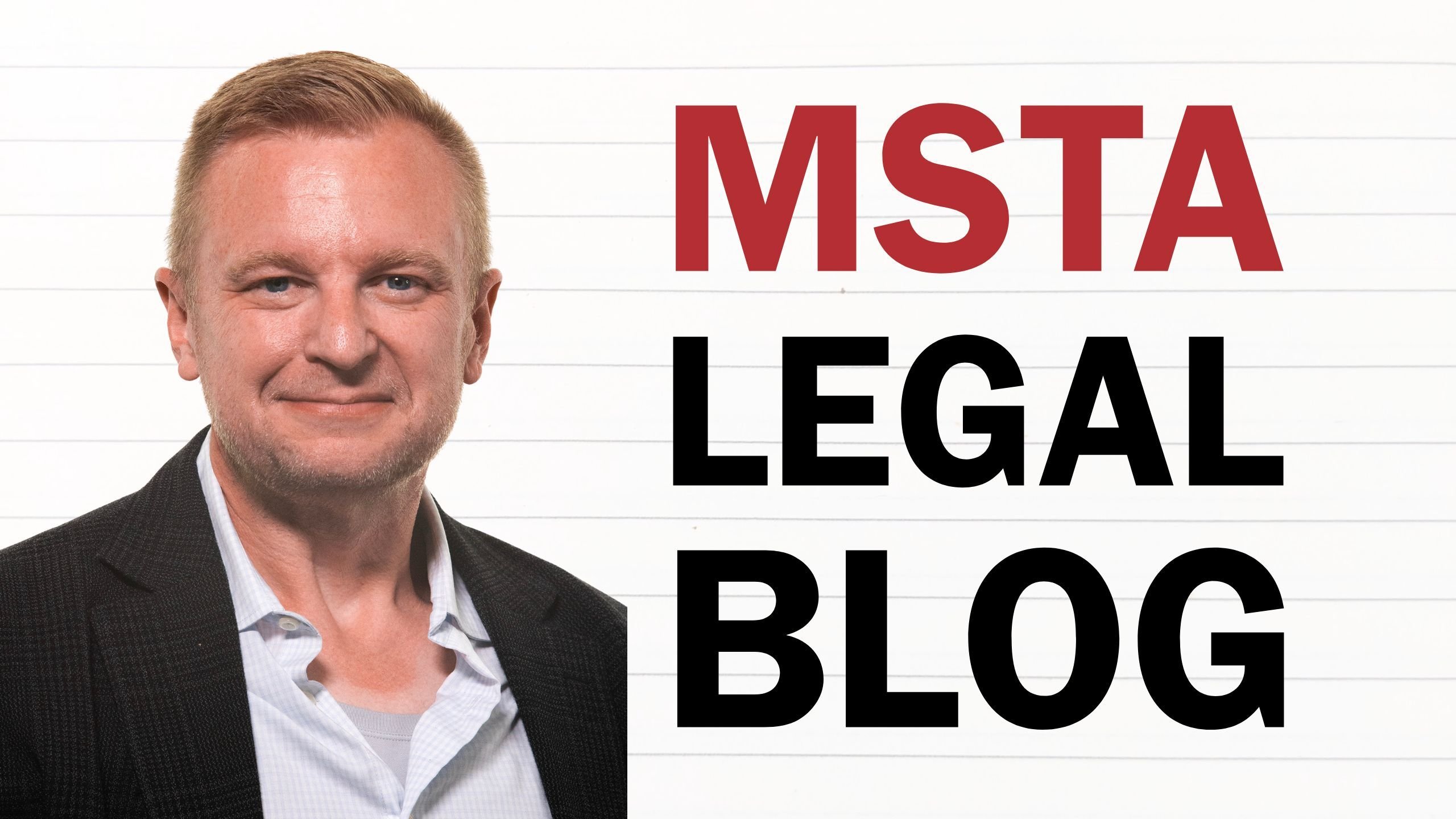
Written by MSTA staff attorney Hank Jenkins, November 2026
In the early 2000s, as a journalism undergraduate at the University of Oklahoma, I first learned that only one person had to be aware of and consent, in the state of Oklahoma, for a conversation to be recorded. At the time, as a person in my 20s, I remember thinking it could be an effective, albeit sneaky, tool for someone if they wanted to document a conversation they are having with someone without the other person knowing.
Missouri, much like my beloved Sooner State, is a “one-party consent” state when it comes to recording conversations. Under Missouri statute §542.402, it is legal for a person to record a conversation when they are a participant in the conversation themselves or at least one person in the conversation gives consent. During my time as a lawyer with MSTA, I have come to learn that more than a handful of Missouri public school teachers have viewed this statute in the same way 20-year-old Hank viewed the law in Oklahoma.
But, with a few more years under my belt and the addition of a law degree, I have come to learn that although a state statute may not make a person criminally liable for secretly recording a conversation, that does not mean that a public school district cannot adopt and enforce a policy prohibiting its employees from doing so. In fact, most Missouri public school districts have adopted some version of a policy preventing employees from recording work meetings without permission.
Here is an example:
- Recording by District Employees and Agents—The district prohibits the recording of employee meetings and meetings between employees and parents/guardians unless authorized by the Superintendent or designee.
Unfortunately, many educators are aware that Missouri is a “one-party consent” state but are not aware that their districts have adopted such policies. If a teacher is called into an unexpected meeting with their principal or other administrator regarding a concern, it can be tempting to reach inside your pocket and hit record on their cell phone to ensure they have the conversation completely documented. However, in an attempt to protect yourself, you may have unwittingly set yourself up for a disciplinary memo if anyone else were to find out about that recording. A district’s recording policy does not make an otherwise lawful recording a criminal offense; however, an employee may still face workplace consequences for violating a district’s policy.
And, as a reminder, it is important for educators to know what their district’s board policies are. Most of them can be found on the district’s website or in a staff handbook. If you are unsure of where to find them, you should ask somebody. Then, you should take the time to read the policy and fully understand it.
If a teacher is concerned about accurately documenting a meeting or conversation, there are several alternatives that don’t require going undercover:
- Ask permission to record.
- Take notes.
- Follow up in writing.
- Request an MSTA Member Service Coordinator (MSC) to attend the meeting.
There’s nothing wrong with asking, “Would you be comfortable if I record this meeting so I can accurately remember what we discuss?” This does not mean the other individual has to allow it. If permission is denied, you should not secretly record it. But, asking allows you to gain permission and not violate board policy.
Bring a notebook or laptop and document important statements, decisions, and action items. Ask for clarification on anything that is said in order to make sure you fully understand.
After the meeting, send a brief, professional email summarizing your understanding of the discussion. This creates a contemporaneous written record and gives the other person an opportunity to correct any misunderstandings.
If you are nervous about attending a meeting alone, ask your administrator if the meeting can be postponed so that your MSTA MSC can attend the meeting with you. The administrator will not always allow this; however, you can always ask. If they agree, this is a great opportunity to have a third-party advocate with you in the room.
There may be legitimate reasons why a teacher would want an accurate record of a workplace conversation. But, secretly recording meetings can cause unnecessary issues and create further distrust if it is later discovered.
Instead of using your cell phone to press record, use it to contact the MSTA Legal Department at 866-343-6186. You can also email us at legalservices@msta.org with any questions or concerns you are facing.